druga koza 2
FALL 2025

second skin

Faculty of Technical Sciences, Novi Sad and the Palace of Science

Art Meets Science 2025 continues to explore contemporary relationships between art, science, and society through a three-day program of exhibitions, lectures, and discussions that connects theory, experimentation, and practice. This year’s edition focuses on art as a method of research—on a process that questions the boundaries between science, architecture, the body, and everyday life.

The program includes the exhibition Second Skin, which merges artistic expression and scientific experimentation through an exploration of biotechnology and the materiality of the body; a presentation of the Montenegrin Pavilion from the 2025 Venice Architecture Biennale; as well as guest appearances by international programs Ars Electronica from Linz and the Speculum Artium festival from Trbovlje.

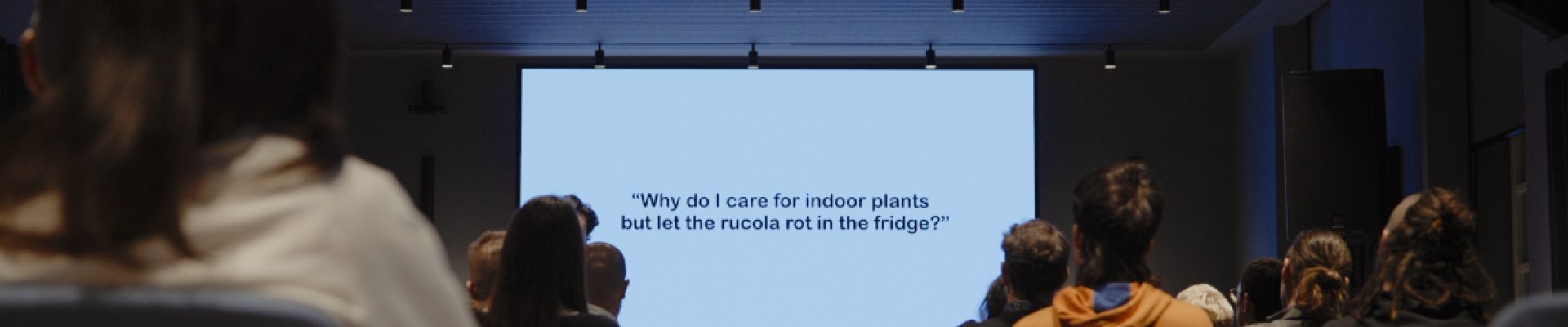
Over the course of three days, the Palace of Science becomes a meeting place for artists, scientists, and the public, offering exhibition formats and lectures that open space for dialogue on body technology and new sensibilities that connect humans, nature, and machines.

foto copy 3

KATARINA ROGANOVIC

ARTIST

WhatsApp Image 2025-11-09 at 13.47.27 2

ARTIST

Futuro_scatter_multi 3

Futurosaurus

DEPARTMENT STORE

portret 2

marija deliC-peinetti

ARTIST

UMN Portret 2

ARTIST COLLECTIVE

Ivan-ukovic

CURATOR

Goran Stojanovic 2

Professor at the faculty of technical sciences

Inspired by the work of scientist Goran Stojanović, whose polymer structures and smart materials contribute to the development of sustainable biosensors, the collaboration opens up space to reflect on how our internal and external signals alert us to changes and potential risks.

 
1
November 12th - December 6th, 2025

The palace of science

Belgrade Exhibition
IMG_3050

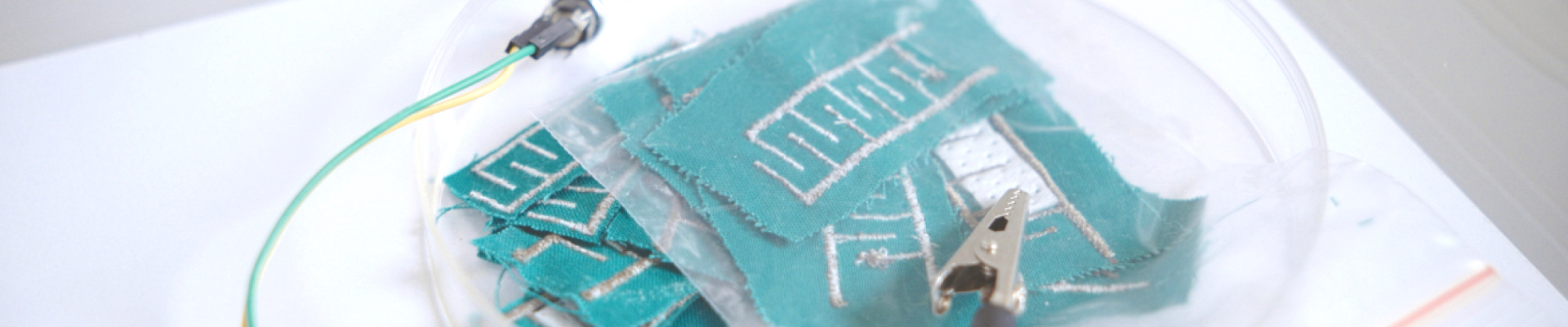
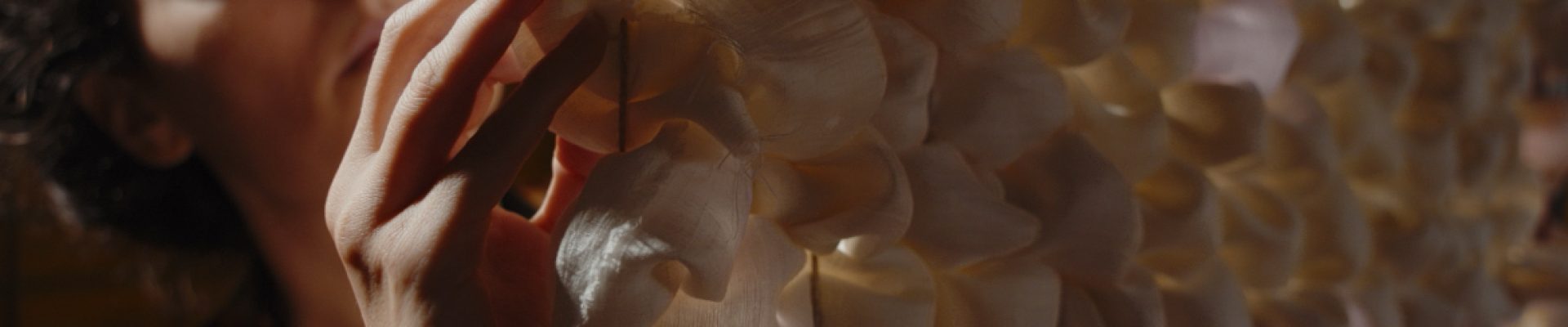
The exhibition Second Skin presents innovative biodegradable sensors made from food waste, used for monitoring health conditions. This project merges contemporary art with scientific research, exploring how technology and artistic expression can together illuminate the body as an ecosystem susceptible to change.

Press clipping

2
November 13th, 2025

The Palace of science

Presenting the Montenegrin Pavilion from the Venice Biennale of Architecture 2025
IMG_3999

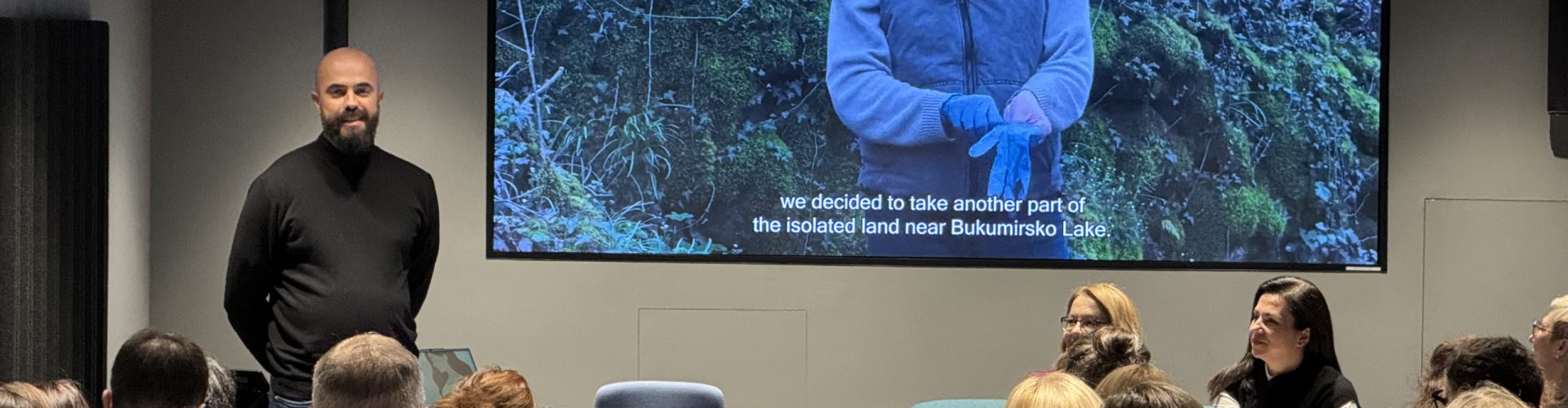
The second night of the Art Meets Science program at the Palace of Science was marked by the presentation of the Montenegrin Pavilion at this year’s Venice Biennale.

Throughout the evening, participants discussed the phenomenon of interdisciplinarity across science and architecture, highlighting how scientific perspectives contribute to the development of artistic projects and the bridging of different fields.

Participants:

Branka Anđelkovic, Director of Re:people

Jasmina Nikodinovic-Runic, representative of the Institute of Molecular Genetics, University of Belgrade

Miljana Zekovic, pavilion curator

Moderator:

Ivan Sukovic, representative of Montenegro and Artistic Director of the AMS program for Re:people

3
November 14th, 2025

The palace of sciences

Presenting the international festivals Speculum Artium and Ars Electronica
IMG_3052

Speculum Artium is an international contemporary art festival that brings together art, science, and technology within the post-industrial context of Trbovlje. The festival explores the transformations brought about by new technologies, ecology, and digital culture through interactive installations, performances, and lectures. The participation of Andrej Koruza offers insight into the festival’s mission and its contribution to connecting creative and research practices in the region.


Fabricio Lamoncha is a Spanish artist and researcher whose practice develops at the intersection of art, ecology, and bioethics. His work investigates the complex relationships between living systems, technology, and the ethical questions that emerge from them. Since 2016, he has been active as a lecturer and collaborator in Linz, and he is also a member of the Art|Sci Center at the University of California, Los Angeles (UCLA). He is the recipient of the international Art and Artificial Life International Award (VIDA 14), and has presented his work at numerous international festivals and exhibitions dedicated to the relationship between art, science, and technology.